 The Lyin’ – can otherwise be known as denial, delusion, or any one of several other descriptions. It’s how we deceive ourselves about any aspect of our prospective book.
I love that idea for a cover, we the author might think. Remember, unless we’re honest and open to outside influence and the opinion of those with more experience, a badly designed, or even inappropriate cover is a death-sentence for a book.
Until last year I was one of the worst offenders in this category, because I’m an artist, so who’s going to know better than me? Let’s see … oh yes, a book cover designer. I paid for three of my covers to be designed professionally and my books captured more interest – and damn me if they didn’t start selling more.
We can do the same with the writing. As the author who produced the wonderful story, we can truly appreciate how good it is – can’t we? We let relatives or friends read it and they suggest publishing, because they are so amazed at our talent … yeah, whatever.
DO NOT listen to friends or relatives; unless they are qualified to give an objective opinion.
That is an area where I’m pretty well protected. My wife and son don’t read fiction, and since leaving my military career in 1992 I’ve never had an acquaintance I would promote to the title of ‘friend’. The closest folk to me are those I’ve met on sites and blogs. I will give special mention here to Paul Ruddock, because we’ve actually met, and he really is a nice guy. We met at the Self-Publishing Conference earlier this year – an eye-opener.
The Which? – refers to how we can learn about the craft of presentation? Read, read, and then read some more. When you’ve finished … well read more. Don’t depend solely on one writer and one genre, but do consider reading authors who are already established. For example: Wilbur Smith, Tom Clancy, Stephen King, Sue Moorcroft or any other author who is already a name and publishes in the conventional (paperback/top publishing house) system.
I would suggest that if you are a fellow Indie author it is a good idea to read those established authors in eBook format. Why? Quite simply because it lets you see what the book layout should look like and how paragraphs are dealt with. You’ll see for example that dialogue has a certain discipline. Dialogue is indented, just like fresh paragraphs are indented.
What else is there? Oh yes! Punctuation. You are not going to see more than one exclamation mark!!! You are not going to see an ellipsis of more than three full stops … or are you ….. “When do you use double quotes?” and ‘Why would you change to single quotes?’
The Word-robe – ah yes, and to make it easy straight away, I’ll rename it. For the sake of argument let’s call it a … Dictionary and Thesaurus. We must all learn to expand our vocabulary so that we don’t depend on the same word being used continually in a book, if there are alternatives.
Let’s look at moving from point A to point B:
He walked, jogged, ran, sprinted, hurled, fell, staggered, strolled, minced, and with a few drinks your character will probably invent some others for you.
Remember, don’t use a big word or obscure word when a straightforward, smaller word will work just as well.
I’d like to suggest checking out ‘Resources for Writers’ on my main menu. A decent, simple-to-follow book on punctuation and grammar is an investment. If I had to suggest three books to have close at hand they would be:
Any good, standard-sized Dictionary and Thesaurus
On Writing by Stephen King
The Writer’s abc Checklist by Lorraine Moore & Maureen Vincent-Northam
I do realise that I might sometimes come across as being hard-nosed in my opinions, but it’s hard to inject humour and be taken seriously when writing about something you care about.
Please keep in mind that your name, brand, credibility as a writer and integrity as a person are on the line when you publish. Don’t go ahead too quickly and above all don’t be greedy when you set a price if you are an unknown.
Why am I so passionate when I’m ‘only’ an Indie author? I started working seriously at this craft in 2007 and I want to help my peers to avoid mistakes I made in the learning process. I want to help others to find the shortcuts I had to learn about through hard work.
As always, I thank you for sticking with me through this blog, article, rant, outburst, tutorial or however you’d like to refer to it.
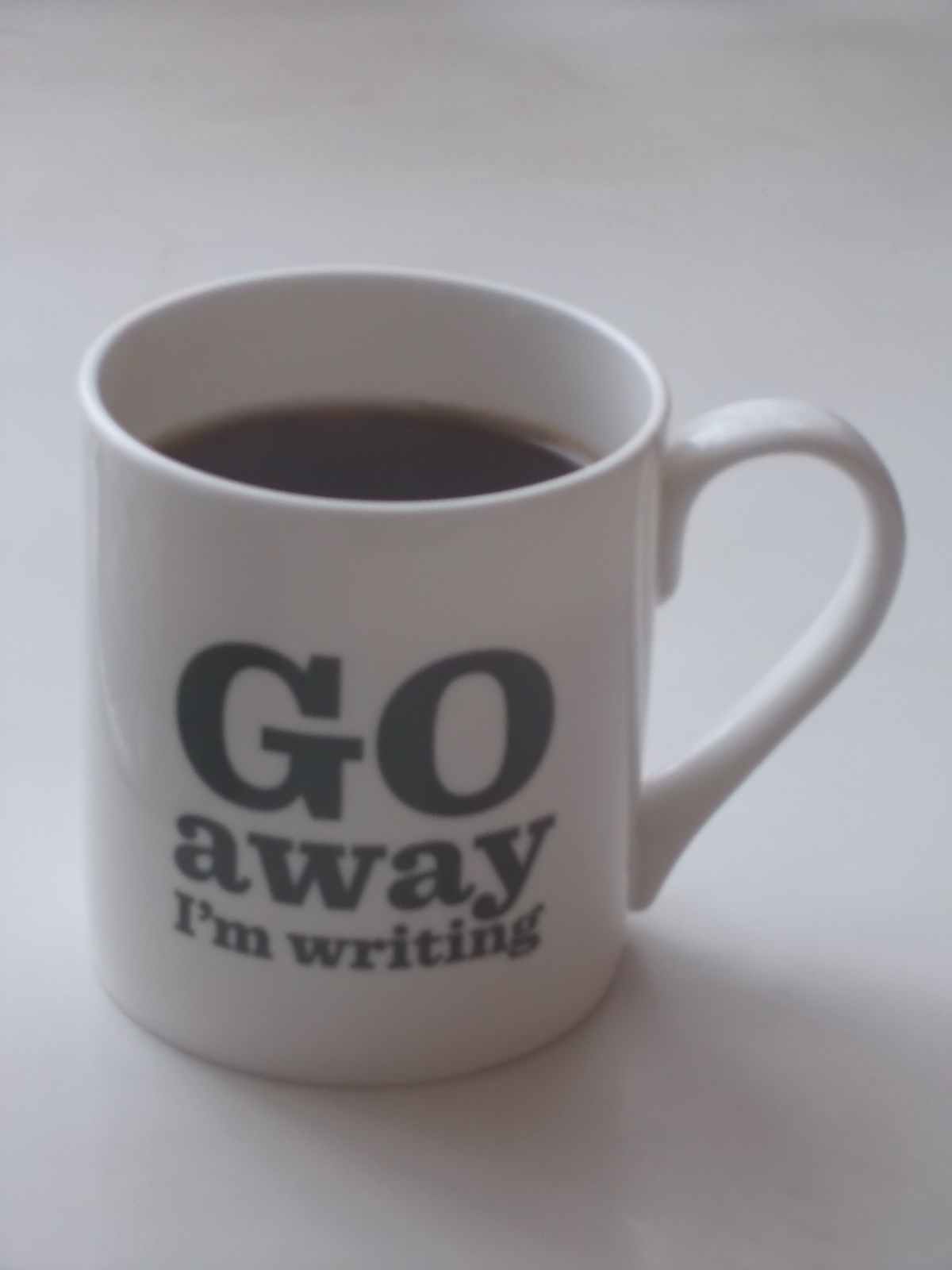
My fuel tank … and a message.


 tombensoncreative.com