Resources – Zodiac Types book

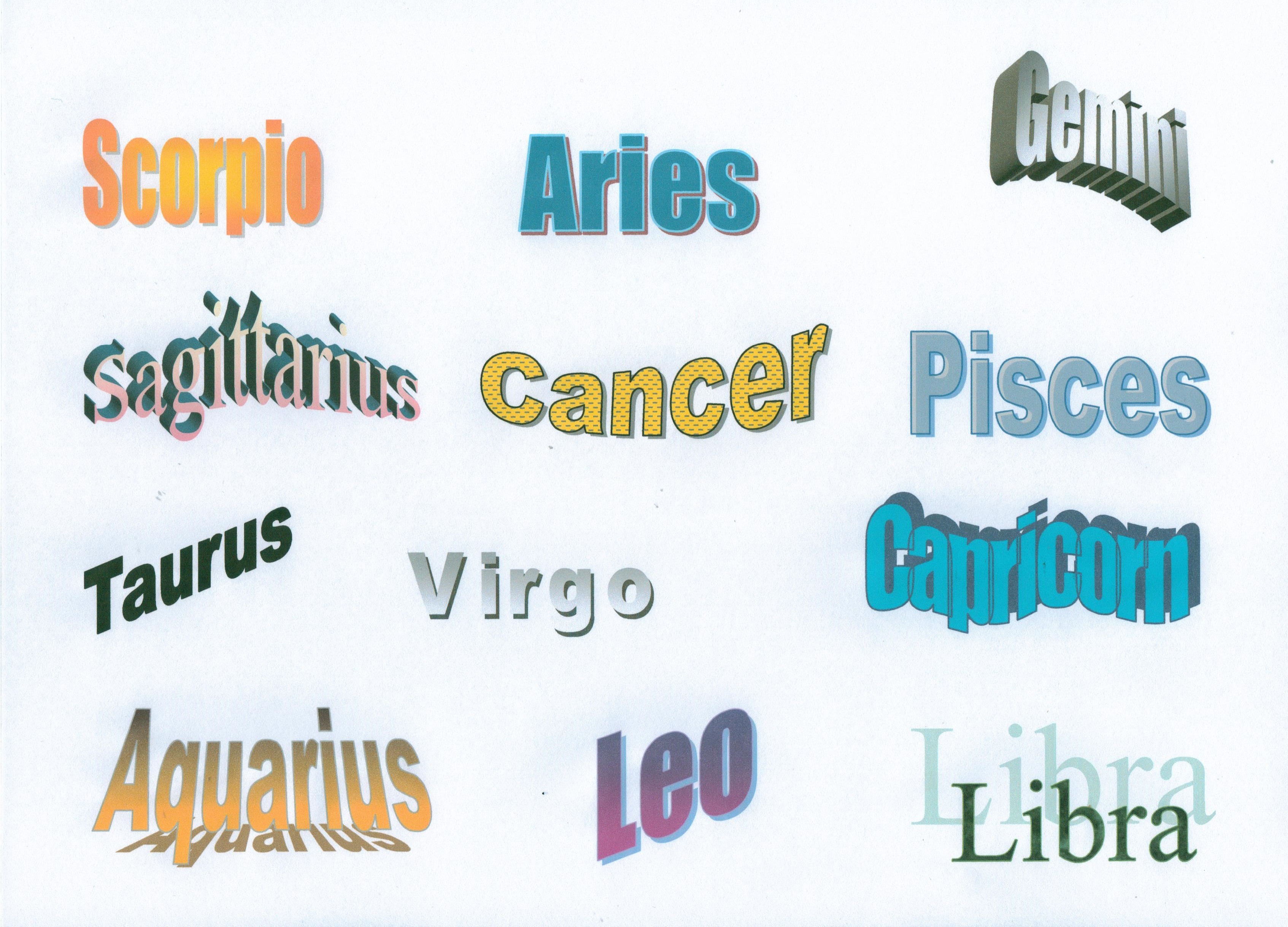
Zodiac

Yes, it says zodiac ‘types’, not zodiac ‘signs’.

Many astrology books are aimed at giving a little information on each of the signs, but I came across a pocket-sized book that is worth owning. My tiny volume is in the Collins gem series and is titled ‘Zodiac Types’. The strapline is ‘from your looks to your friends, all is revealed’.

Okay, so you don’t believe in astrology, but this isn’t about how accurate the information is – it’s about how comprehensive it is.

Whether you are a reader or a writer, all fictional characters should have a certain appeal, which invariably comes about by them being well ‘drawn’ as ’rounded’ characters. No, it doesn’t mean they are overweight, it means they are more than cardboard cut-outs.

A rounded character comes to life for reader or writer. For the reader it provides credibility in the character and the story. For the writer it provides credibility for their craft and gives their completed work a greater degree of acceptance. In short, if a writer cannot produce rounded characters, those characters, the plot and the writer will all lose credibility.

What does ‘Zodiac Types’ provide?

First of all it provides the date groups for the star signs, which is a simple, but nice little touch in certain stories. There are also passages on favourites things: colours, numbers, places, occupations, etc. Moving on, we have character traits, physical attributes, likes and dislikes.

We don’t expect to see every detail about a character in one large paragraph, but it’s good to read snippets as the story continues. In this way a few small details help to give the character more substance and become more real.

Personally, I write a bio for all main characters when I’m writing. Once beyond the physical appearance and age, it can get a bit tedious, but a book full of ideas for the other aspects of the human being is an absolute delight to use.

Whether you’re a reader or writer, or both, think about your favourite character and ask yourself what you liked or disliked about them. The chances are, it won’t be their appearance or age. I’ll leave you with that thought.


Why is it good to try writing poetry? Part 4

Courage - Part 4In Part 1 on this topic, I wrote about using a basic three verse poem to expand on a story idea.


In Part 2, I took it to the next level with three more verses to beef up the information about the story.

In Part 3, I listed the ingredients I would consider when writing a short story.

I have now written a short story from scratch, based on that simple poem displayed in Part 1 and Part 2. Until I completed the story, I used the same working title as used with the poem. A working title allows the writer to get on with the writing. Too much time can be spent procrastinating about the right title.

Like everything else you’ll read in my blog, I have my own theory with regard to titles. I believe it’s much better to work on the title after the story is written. The story may change slightly from the original idea (which mine did), but the title must still do its job – and attract interest. As soon as the first draft of my story was done I found I’d gone over my self-imposed 1500 word limit by 150 words, so I trimmed it to 1500 words.

I saved the story and then spent about 15 minutes writing out every title idea that came to mind. The whole story was fresh in my mind so I ended up with about 20 titles. Titles are easy, but the appropriate title is the one that works. Here are my top three:

– Death and Glory
– Diary of a Warrior
– A Time for Courage

In my final post on this topic I’ll produce the short story, which by then will only have been edited in a couple of rapid sessions, so it may yet change. I do feel it will still round off the task I set myself with this mini-series of posts.

Remember, there’s no reason why you couldn’t use this system to write a novel. My novel ‘Beyond The Law’ started out as an experimental poem, which stretched into a series of 26 poems.

As always, thank you for your indulgence.