In Their Footsteps

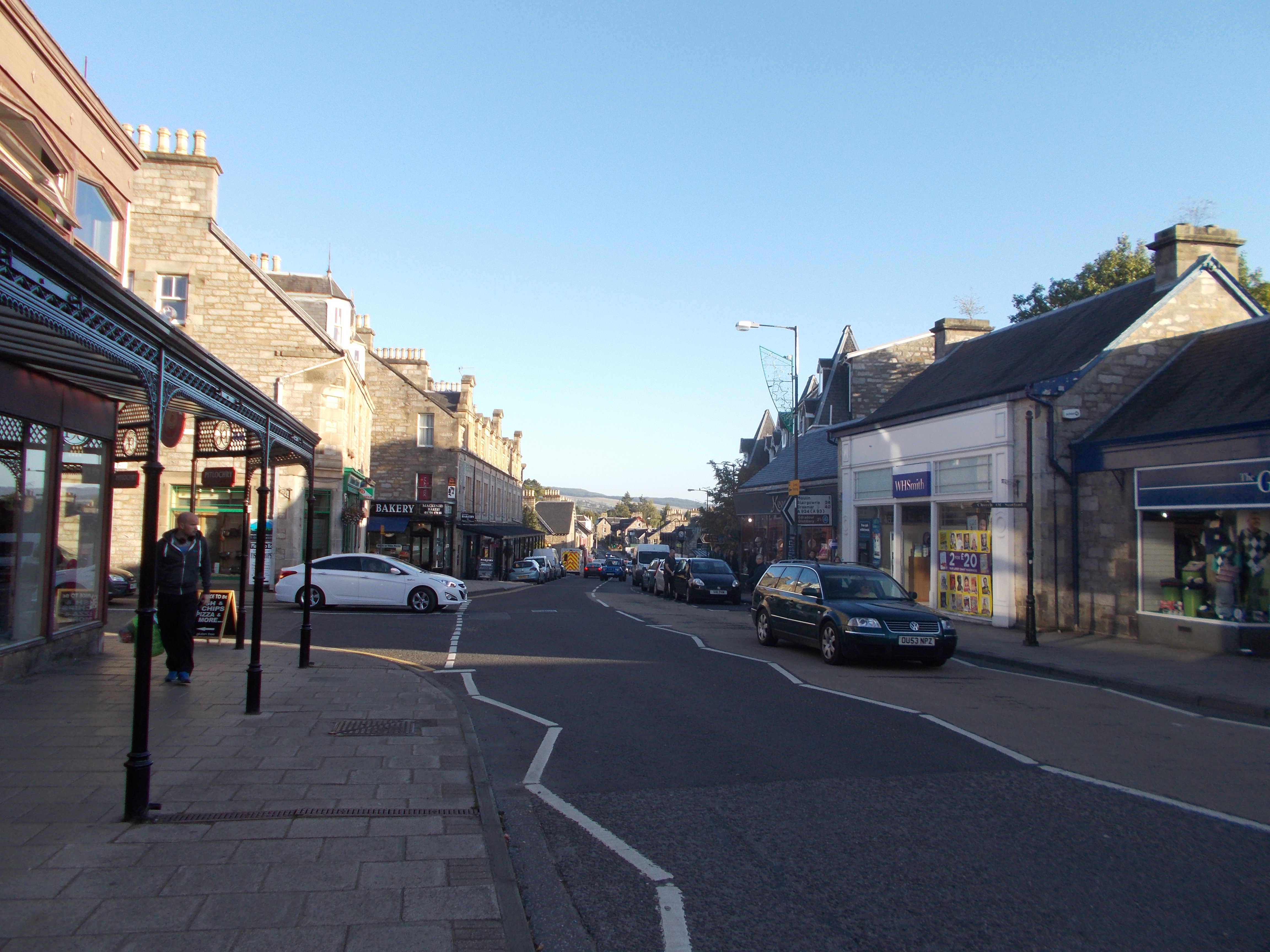
Pitlochry, Scotland

In mid-September I spent a week up in Scotland—in the picturesque Highland village of Pitlochry. It was an appropriate place to finish off the first full editing session of Codename: Foxglove. Dominique (Foxglove), went there to visit her mentor, Rachel (Codename: Nightshade).

The Foxglove story will rest until mid-October, and from then it will undergo at least three further sessions with two-week breaks between. If it feels ready, I aim to send it out to beta readers in late November. When published, this tale will bring the Beyond The Law stories to a close, so, as might be expected, it will be done with a heavy heart, but by the same token, some series’ run their course. I’d like the final story to be a worthy conclusion to the tales which started life as a single experimental poem about a man who was compelled to end his military career.

Pitlochry saw several scenes from Codename: Nightshade which involved the Mental Riders Motor Cycle Club among others. Characters from both sides of the line came unstuck in a big way in the village. Locations like the filling station, a (renamed) bar on the main road, a large hotel, a car park, and the railway station all held a special significance for me. I travelled along the road which was used in a car and motorbike chase and felt justified in having used the route in the scenes.

While in Scotland, I visited Braemar which featured in Beyond the Law: Retribution. As the author of action scenes, death and mayhem, it creates a peculiar feeling to be on site and imagine what took place in my imaginary world.
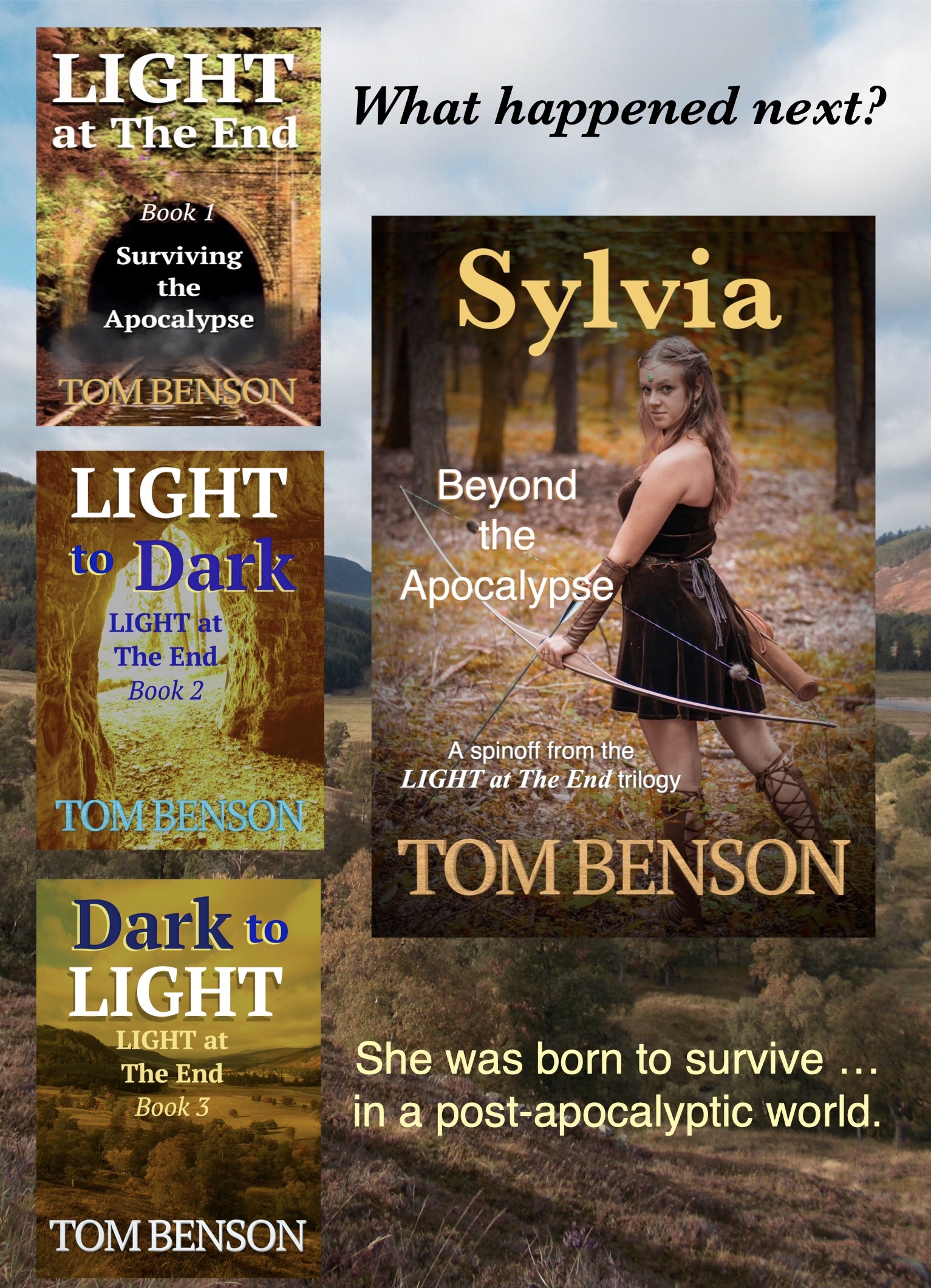
Apart from those places I also spent a day at Aviemore and on several of the countryside routes in the area. Here, of course, I was reminded of the characters from my Light at The End trilogy, and in particular my heroine from the spinoff, Sylvia.

In visits to Glasgow, my home town, I’ve enjoyed the ‘sense of place’ when thinking back to the Beyond The Law trilogy, and in recent visits to Edinburgh I sensed the presence of Bryce, and several other characters from Czech Mate.

A knowledge of the locations used in stories complements the imagery and to a certain extent, the action. Returning to ‘real’ places after the job is done is a surreal experience and provides a healthy dose of satisfaction—I’d recommend it to fellow authors.

Thank you for indulging me with your time and comments.

***

Write to be Published – a review

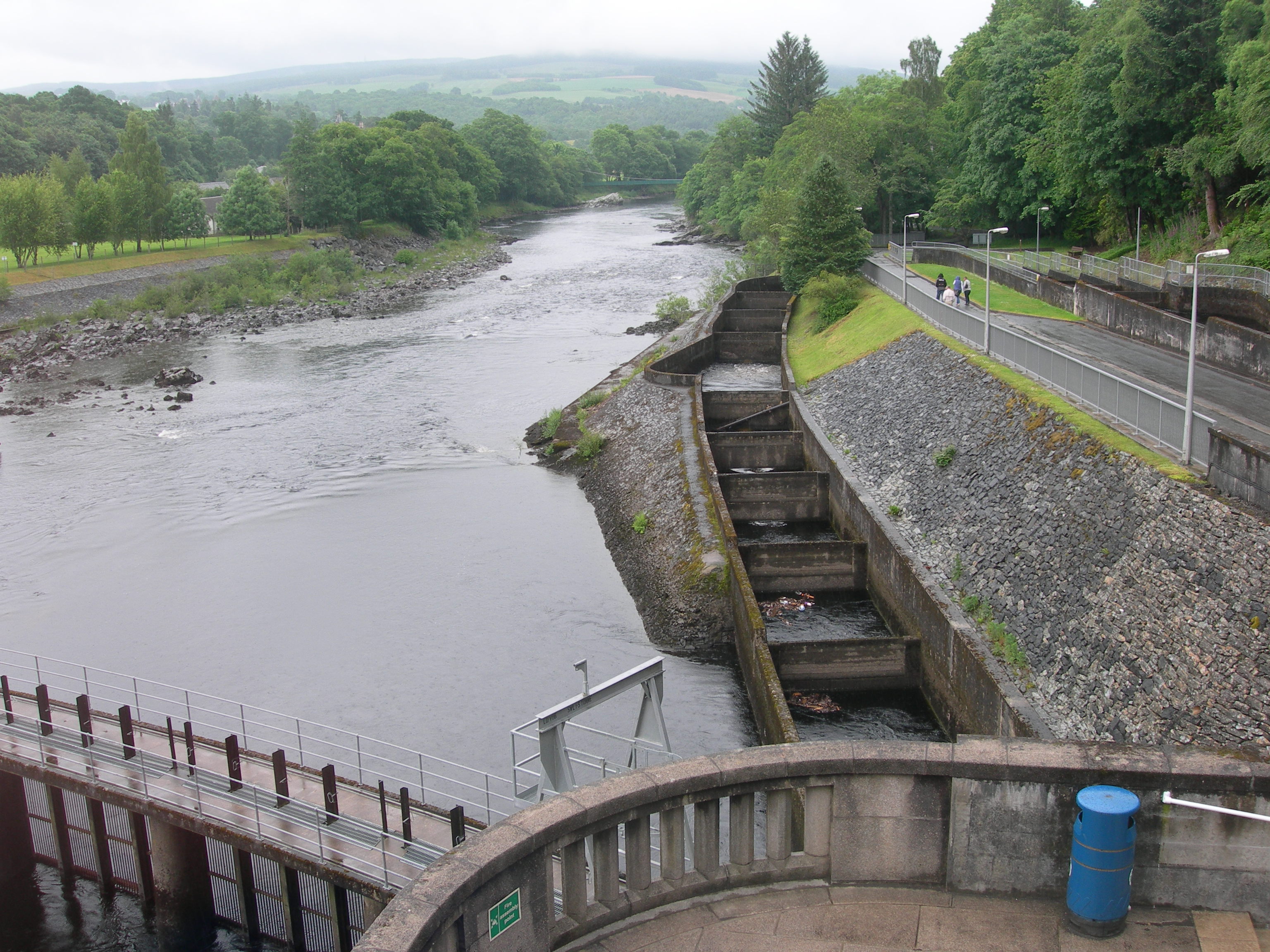
Pitlochry Fish Ladder – viewed from the Hydro Electric Power Station on the River Tummel

What has the superbly designed Pitlochry Fish Ladder in Scotland and a book by a respected author have in common?  Answer: They both offer an alternative to being stopped on a quest.  The Fish Ladder was built in 1952 alongside the Hydro Electric Power Station.  It means that when the trout and salmon return to the River Tummel after their arduous trans-Atlantic journey they have an alternative to being stopped at the reservoir dam.

Pitlochry Fish Ladder – viewing some of the 34 tanks (or locks) from the pathway over the dam.

Thanks to the ladder they can continue their task, swimming upstream so the life cycle goes on.  The fish follow their natural instinct to swim upstream but they use the large plastic tubes fitted into the locks of the fish ladder.  There are even three ‘rest’ tanks which must surely be appreciated by the fish.  Anyway, I digress.

‘Write to be Published’ by Nicola Morgan is a ‘How to …’ book like no other I’ve read.  It’s not written in the accepted format of telling the writer what makes the recipient say ‘yes’.  It helps the writer leap over the hurdles by presenting what provokes the recipient to say ‘no’.  When I say recipient I mean agent, editor or publisher.  In other words, instead of the writer being stopped in his or her tracks having completed their writing mission, Nicola has offered sufficient advice to help the writer move on.

This book is written with a real sense of ‘been there, done that,’ and Nicola’s humour shines through page after page as she makes many relevant points.  I’m sure she’d agree that much of the information is logical or common sense, but she presents it clearly.

I read this book in three days if I include the time I spent going back to make notes whilst certain things preyed on my mind.  This will join my small shelf of ‘must have’ books for writing reference.

Nicola takes the writer from the point before writing, through the various stages of writing and editing and on to submission.  Four main sections followed by a resources list make it easy to return to an area of particular interest.  The language and tone are aimed at writers of all abilities which is always a positive step and there is no preaching to the newer writers.

I’ve already made changes to my new novel purely by heeding advice given in this book and I thoroughly recommend ‘Write to be Published’ to writers, no matter how much you think you know about the writing process.  Thank you Nicola.

Before I leave the subject of common ground, which is where this post started, I think it’s only right that I mention The Watermill Bookshop in Aberfeldy.  It’s only a few miles south of Pitlochry and it was during my visit to that bookshop that I found Nicola’s book.  Now with any luck, as the trout and salmon go on to procreate thanks to the ladder, I’ll go on to have my book, ‘Ten Days’ published, thanks to Nicola’s advice and guidance.