In Their Footsteps

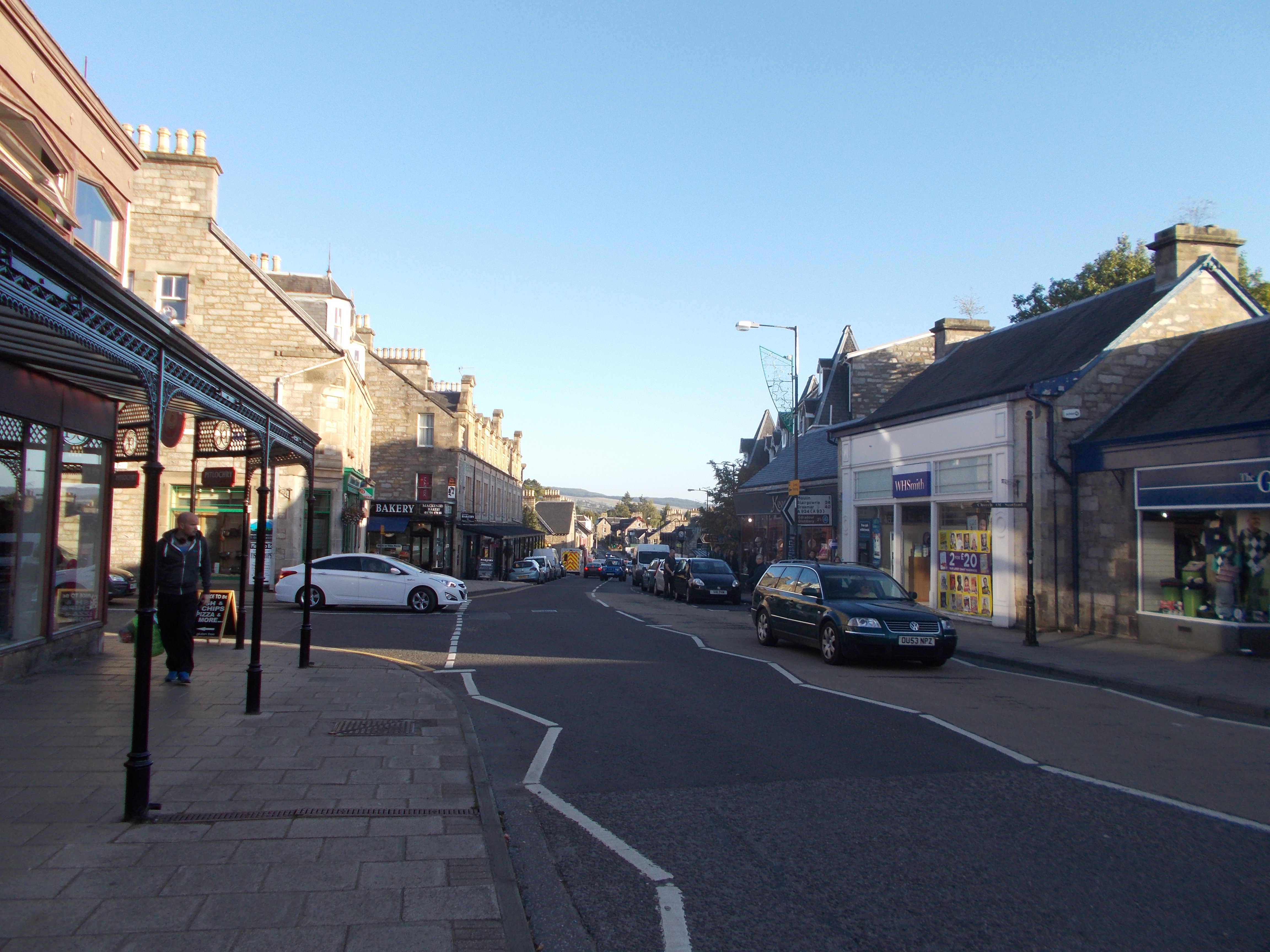
Pitlochry, Scotland

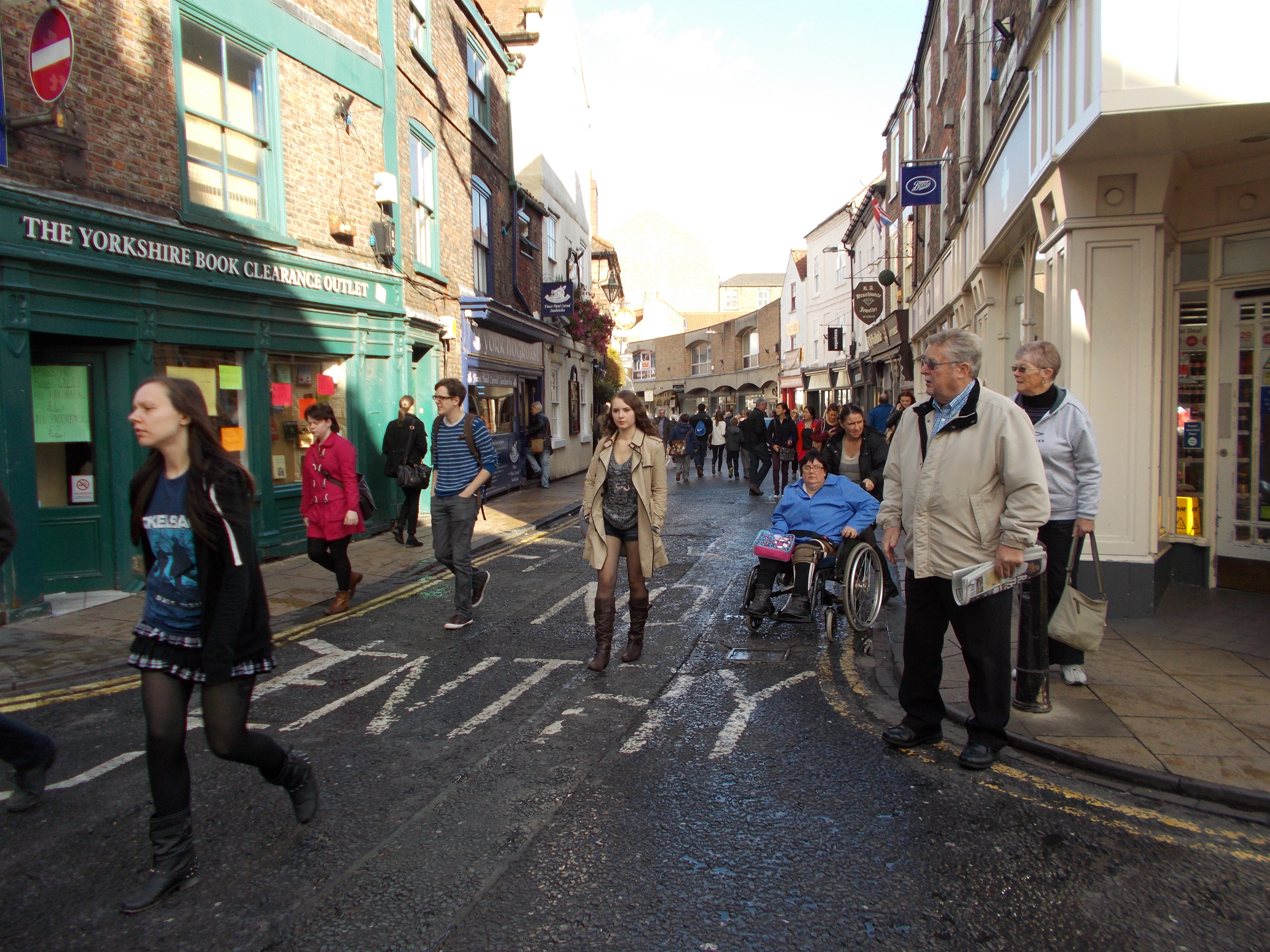
In mid-September I spent a week up in Scotland—in the picturesque Highland village of Pitlochry. It was an appropriate place to finish off the first full editing session of Codename: Foxglove. Dominique (Foxglove), went there to visit her mentor, Rachel (Codename: Nightshade).

The Foxglove story will rest until mid-October, and from then it will undergo at least three further sessions with two-week breaks between. If it feels ready, I aim to send it out to beta readers in late November. When published, this tale will bring the Beyond The Law stories to a close, so, as might be expected, it will be done with a heavy heart, but by the same token, some series’ run their course. I’d like the final story to be a worthy conclusion to the tales which started life as a single experimental poem about a man who was compelled to end his military career.

Pitlochry saw several scenes from Codename: Nightshade which involved the Mental Riders Motor Cycle Club among others. Characters from both sides of the line came unstuck in a big way in the village. Locations like the filling station, a (renamed) bar on the main road, a large hotel, a car park, and the railway station all held a special significance for me. I travelled along the road which was used in a car and motorbike chase and felt justified in having used the route in the scenes.

While in Scotland, I visited Braemar which featured in Beyond the Law: Retribution. As the author of action scenes, death and mayhem, it creates a peculiar feeling to be on site and imagine what took place in my imaginary world.
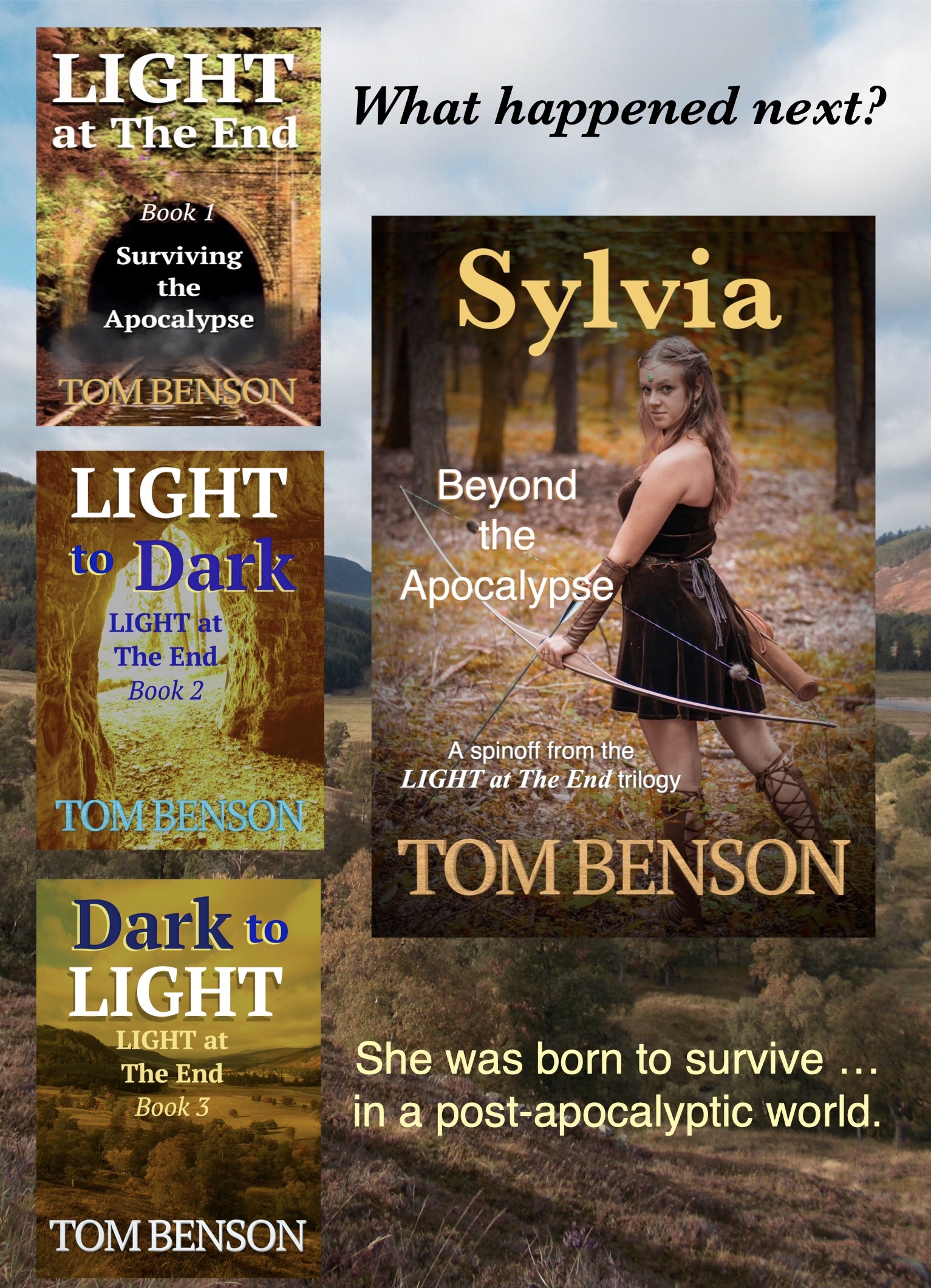
Apart from those places I also spent a day at Aviemore and on several of the countryside routes in the area. Here, of course, I was reminded of the characters from my Light at The End trilogy, and in particular my heroine from the spinoff, Sylvia.

In visits to Glasgow, my home town, I’ve enjoyed the ‘sense of place’ when thinking back to the Beyond The Law trilogy, and in recent visits to Edinburgh I sensed the presence of Bryce, and several other characters from Czech Mate.

A knowledge of the locations used in stories complements the imagery and to a certain extent, the action. Returning to ‘real’ places after the job is done is a surreal experience and provides a healthy dose of satisfaction—I’d recommend it to fellow authors.

Thank you for indulging me with your time and comments.

***

Resources – Shopping Catalogue

This, like my other ‘resources’ posts is aimed mainly at the writing community, but might still be of interest to fellow readers.

How does a shopping catalogue assist in writing?

Which would be your story's character?
Which would be your story’s character?

Let’s look at a scenario, but not one from a book – a scenario that portrays the writer, and in particular the novice writer.

The screen is filled with the description of a scene that the writer decided would be a good start to the new chapter. Great. Now, unless the people concerned are in a nudist colony or are on the telephone, logic suggests that the reader might want to know what they look like – and how they are dressed.

I know from experience that the words can flow and everything looks good on the screen, or in some cases on my Moleskine notepad. A quick revision suggests that I have issues imagining the scene now, because I don’t actually know what these characters look like. I did when I wrote the passage, but now, no mention of age, hair colour, eye colour, complexion, outfit.

There was a time when I would stare at the screen and perhaps make some idle notes about those details I’ve just mentioned. That then took away the pace of my thought process and dented my confidence in what I had written.

Prior to writing a new character now I write them a brief bio which gives them an individual appearance and a background. Their taste in clothing can be quite diverse, but they must have an outfit to start with – enter; the shopping catalogue.

Let’s say somebody has a ‘walk-on’ part in a story and you have their position all lined up, but you need to give a description – enter; the shopping catalogue.

Perhaps it’s the actual characters that are causing the delay in producing words on the page – yes, enter; the shopping catalogue.

Do you now see where I’m coming from here? I thought so.

In summary, a shopping catalogue presents the writer with ready-made, anonymous characters of many skin colours, ages, hair colours, physiques, many age groups, and of course both sexes.

It also provides us with clothing, footwear, accessories, jewellery, household goods, toys … and so on.

Did you look at the heading to this post and think, he’s joking?

Well, whatever you thought, perhaps now you’ll realise I wasn’t joking – and more to the point, you might have become a convert to the idea.

Today I really must visit some blogs. I’ve been spending so much time building characters from my catalogue. Seriously, I have been writing on a daily basis recently and I sometimes focus only on the plot I’m working on and lose the plot to everything else around me.

Until next time, thank you for dropping by.