If you want something done …

You’ll be aware of the paradoxical phrase, ‘If you want something done, ask a busy person’. There are variations but they all aim to suggest one thing, which is that a person with a heavy schedule is more likely to add and complete an additional task. That type of person is also more likely to either accept the extra work or say that they’re unable to help.

What is the main thrust of the phrase and the theory behind acceptance or refusal?

The busy person will not let you down by accepting and failing to complete. If they don’t believe that they can include the task into their schedule they’ll say so, rather than let you down by not succeeding.

Where does this fit in with being an author?

It depends to a fair extent on the type of person you are, and not the type of author. Writing, after all is one aspect of a lifestyle, even if that person is an author. Now, let’s look at this a bit more closely, and as authors do, I’ll use what I know best … my own case.

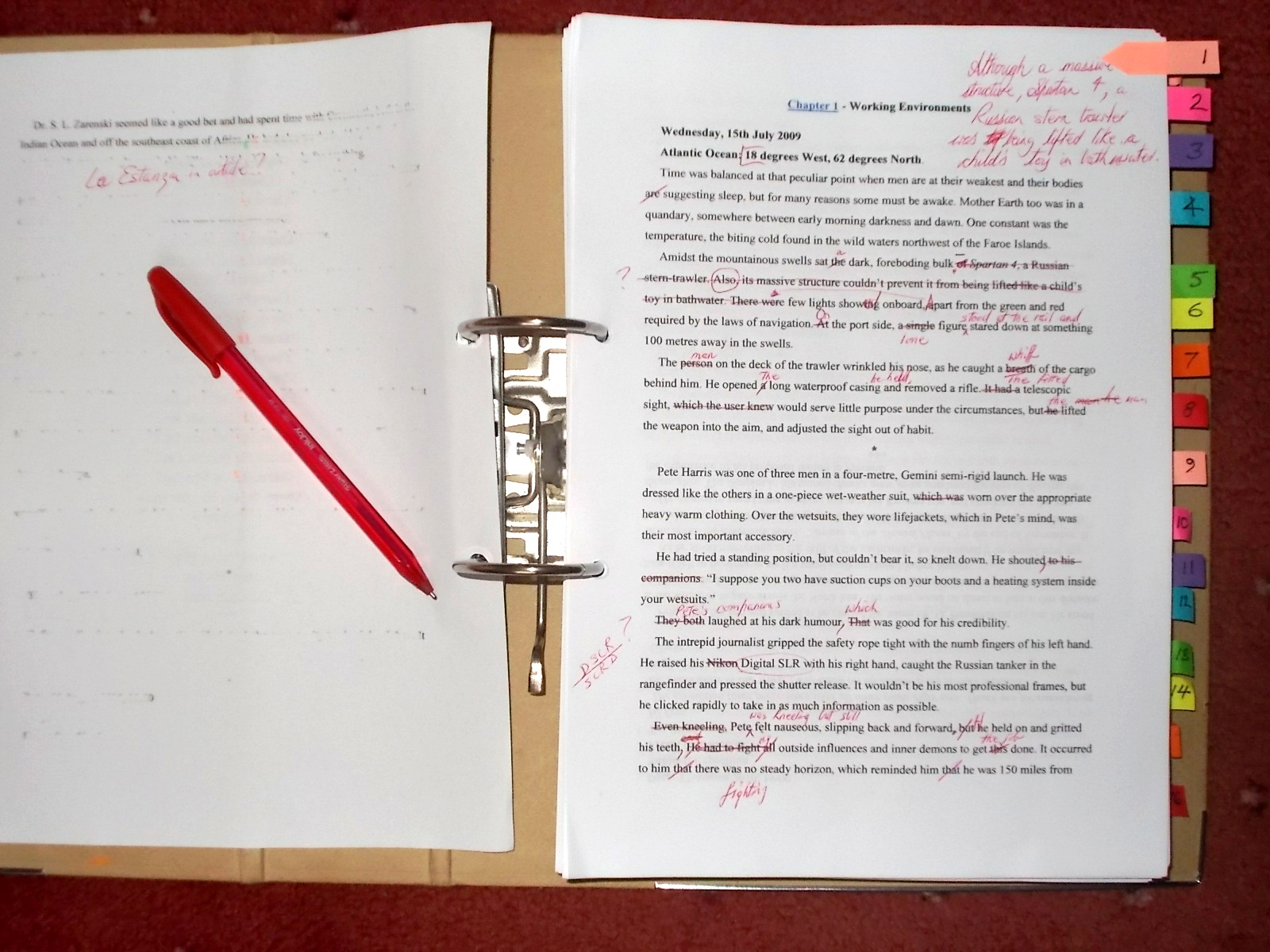
When I started out into the world of writing I got underway with a poem or short story, and I would labour over one piece at a time. I could stare at a notepad, or a screen, and yes, I would get the job done, but it was soul-destroying at times. When I moved on to writing novels I found a similar ‘block’ effect, whereby I would write three or perhaps four chapters and then … nothing.

My life as an author became more productive and therefore more enjoyable when I came up with the idea of ‘resting’ a piece of work if I got stuck.

How does that equate to productivity and enjoyment?

I saved and left the troublesome piece on file, and got underway with another story. Over the years I’ve become proficient at maintaining multiple Work in Progress. Apart from creating the choice of which story to work on, I believe that this method alleviates an issue that many authors learn to deal with in different ways.

Let’s say, for example, that you’re writing a story and at a certain stage you go off on a tangent or your mind wanders while you’re taking a break. For some writers, the natural response is to shrug off the thought, believing that it will come back to you later. Other writers might find themselves with something akin to an ear-worm which is ever present while they try to work. I don’t rely on remembering the passing idea. Attempting to work on a story with another firm idea on my mind would be distracting.

I open a new file and write the opening line, title, theme or whatever had presented itself. A good technique I’ve discovered for preserving a fresh idea and moving on, is to create a working title, and write a strap-line or brief blurb.

Giving an additional task to a ‘busy’ person is not an exact science, it is a notion based on human nature and personality types. I believe that most authors may consider themselves as that busy person, and therefore ought to try the method I’ve found successful. When you’re stuck for whatever reason, don’t procrastinate until the active piece of work becomes an irritation, try to relax and let your mind wander. You might come up with your next project.

As always, comments and suggestions are welcome, and thank you for taking the time to read my thoughts and theories.

***

Choices and Decisions

We must eat and drink simply to survive, and that, of course, is the most important decision we all make—if we are to exist. After making the choice to go on, the quality of our life is next and that is improved by shelter, and fulfilment, which may or may not include companionship, with due respect to Mr Maslow and his Theory

From the moment we wake up every day our life is filled with making decisions based on choices … selecting which direction to take.

When a creative writer develops an idea and produces the cast for a story, the entire process from those early ideas right through to the publication of the book is filled with choices. Within the story, each character must make decisions. Those are designed to produce the various incentives for the character and action to move forward, and to maintain the reader’s interest. If you’re still reading, my choices for this post are working, so far.

For an author, while the internet is a wonderful source of information, and a valuable marketing tool, it can be a distraction, cause laziness, and among other things, at worst, deplete self-confidence. In terms of ‘research’, we authors now have an incredible volume of information at our fingertips, but we must be wary and professional. Google, Wikipedia and suchlike, with respect, are not factual deposits of information on all that ever was, is, or will be. We must be prepared to make some effort (apart from producing our stories), by reading widely, and utilising multiple sources to corroborate and balance our information.

Smoking, alcohol, and drugs are addictive and harmful when overused. Social media too, is habit forming, and while we have the choice to join a site, a group, or actively partake in discussions, it is easy to be drawn in. ‘Click-bait’ is the phrase used to tease someone into reading an article, post, or whatever in media. We are all susceptible to being ‘caught’ and as we delve deeper into the article, the active thread of comments, or information, we invariably find ourselves going down a rabbit hole. Personally, I feel guilty and cheated in equal measure when I realise I’ve spent half an hour or more on social media … and gained nothing of any benefit.

Are you susceptible to the lure of a literary or graphic hook?

When you saw the title of this blog post, what was it that captured your interest?

Did you have concerns about how far you might read, and how much time might be spent on it?

Those are not trick questions. Any intelligent species naturally strives to explore, especially with the intention of improving understanding, or position within their group. It stems from a desire to benefit.

I’ve just returned from two weeks holiday in the Netherlands. My wife and I enjoyed a break in our caravan, based in an excellent campsite which unlike many, doesn’t have internet access. I don’t intend to detail our activities, but suffice to say, apart from booking our ferry crossings and our pitch, I had no need of internet. If we wanted access, a walk into the nearby small town to a cafe was all that was required of us.

Did I make any good decisions about my writing while away?

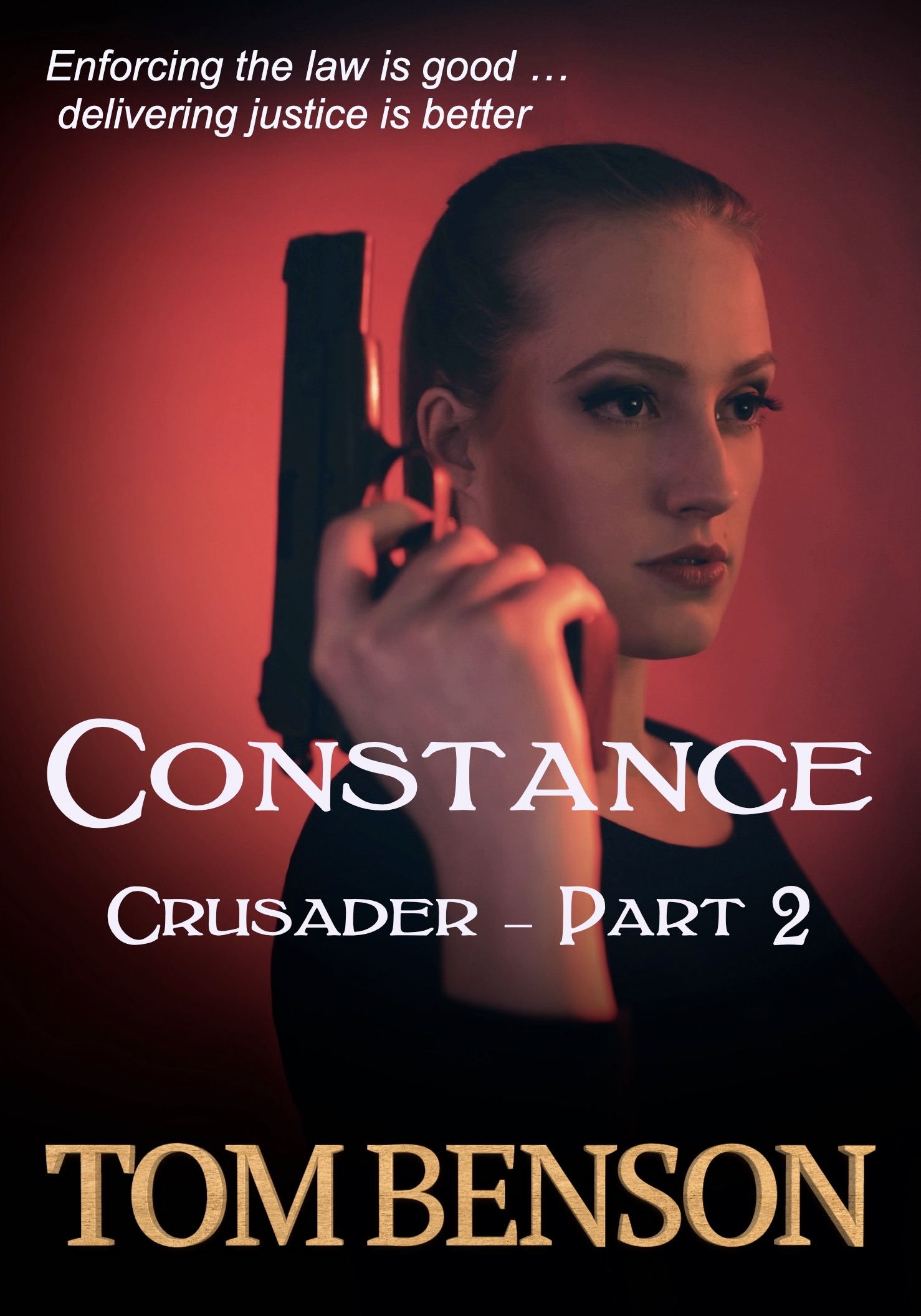
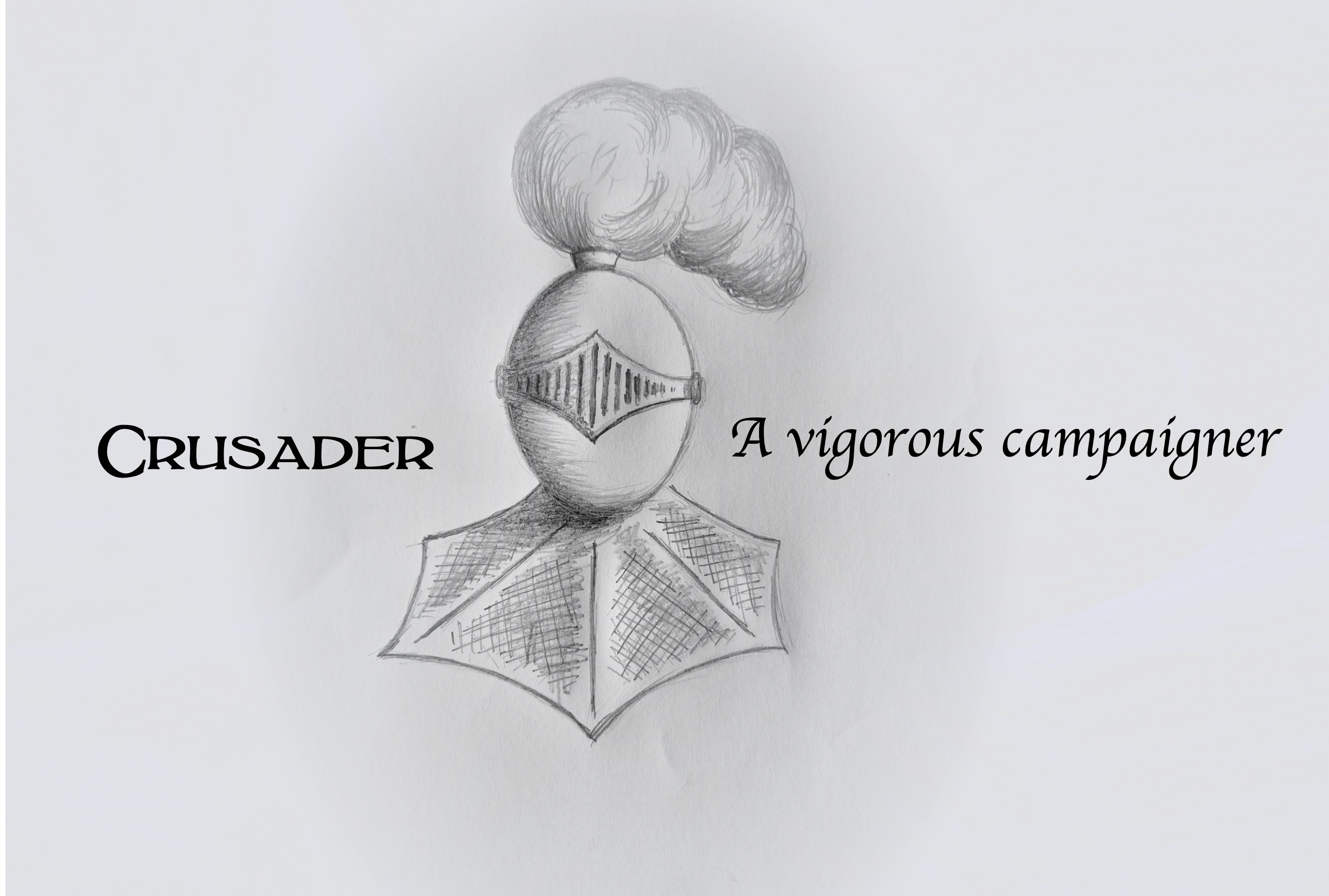
Earlier this year, I was having difficulty developing Crusader, my latest crime thriller, so I opted for working on Selena: Sea Nymph, my first sci-fi fantasy. Over recent months, apart from when on regular trips in our caravan, I’ve made progress with Selena, but I needed a break from the story. I arrived in the Netherlands having made the decision to only work on Crusader.

It was a good choice, and within a couple of days I was at peace, unlike many of the characters in my new crime story.

Did I make any other decisions related to writing while I was away?

Yes, and as I tend to do, I experiment with ideas and implement them without bells and whistles. In other words, unlike some folks, I don’t usually advertise my every intention on social media or elsewhere.

Over the past few months I’ve reduced the time (and energy) expended on social media. Apart from slowly withdrawing from the daily, mind-numbing frustration of some of the posts and comments (in a variety of internet locations), I’ve also left several groups.

Having made progress with my plan, in the coming months, I intend to reduce my ‘social’ media activity to the minimum. To aid me, I’ve already made my choices regarding websites, and groups on those sites, and it’s a short list. Within the sites and groups I will also be reducing my ‘friends’. I intend to remain a part of the Indie Author Support and Discussion group (IASD), but will soon relinquish my admin role.

I haven’t lost faith in my ability to write, however, writing is a passion for me, so the stresses of marketing, monitoring sales, and reaching ‘targets’ are not concerns. Whether or not my work is selling is in the hands of those who see what I produce, and they will decide my level of success.

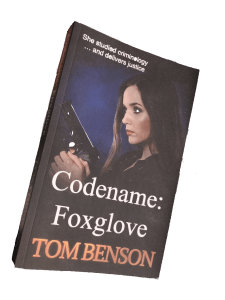
In a brief visit to Facebook on my return I was delighted to learn that not one, but two of my titles had received a Reader’s Choice Award in the Connections eMagazine, a superb platform for authors. Codename: Foxglove achieved a Silver in the Thriller/Suspense category, and Amsterdam Calling achieved a Bronze in the Romance category. In the time-honoured tradition, I’d like to thank … Melanie P. Smith for her tireless energy supporting fellow authors, and also all who voted for my work. Congratulations to all of you who were honoured by an award.

For many folks it takes a long time to find a balance, but in my case, pleasure and relaxation come before stress, and any personal fulfilment or success is derived from an occasional positive comment, or review. If I entertain one person with a story, I’ve been successful, and the level of my success is increased exponentially by the number of people entertained.

Is there a difference between choices and decisions?

I think of choices as the options we perceive on our journey in life, and our decisions create the ongoing route we take. A crossroads is often used to depict this but I chose a picture I took in woodland recently. Our options in life are not always clear-cut and definite as in a relatively simple crossroads. We must occasionally be prepared to venture along a route which is not staightforward.

Thank you for taking the time to read this brief distraction, and I hope you’ve enjoyed it.